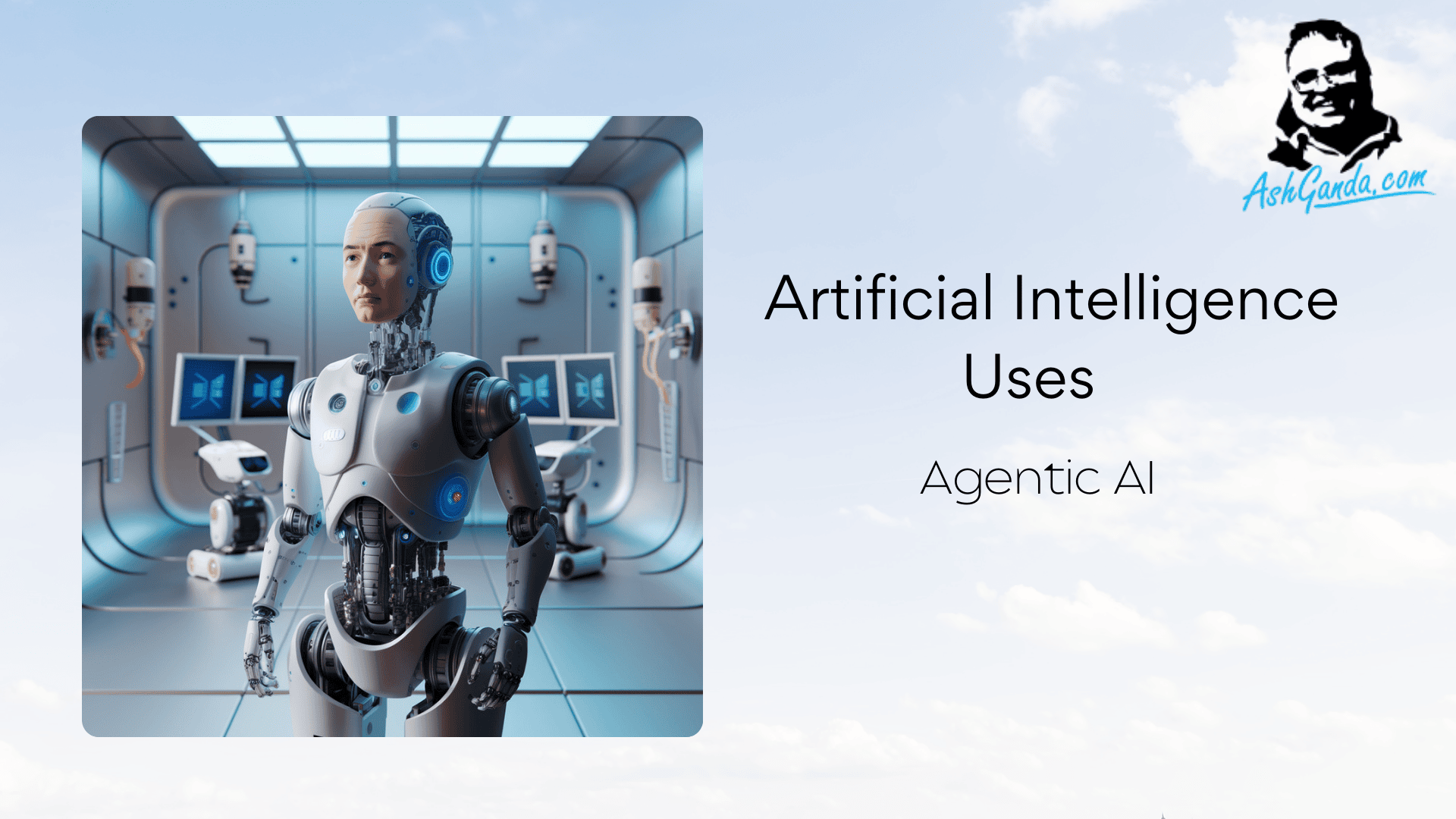
Agentic AI at the Helm: IBM Watson Health and the Future of Personalized Cancer Treatment
Introduction
An oncology team at Memorial Sloan Kettering Cancer Center used IBM Watson for Oncology to analyze a complex lung cancer case, identifying a targeted therapy option that three human specialists initially missed. The AI system cross-referenced the patient’s genomic profile against 15 million pages of medical literature and 200+ clinical guidelines in 27 seconds, proposing a treatment that extended the patient’s progression-free survival by 14 months.
According to a 2024 Nature Medicine study, IBM Watson Health’s agentic AI approach represents “a paradigm shift from reactive decision support to proactive treatment optimization” in personalized cancer care. The system analyzes structured and unstructured patient data including medical records, genomic sequencing, imaging results, and clinical notes to generate evidence-based treatment recommendations.
Global cancer cases are projected to reach 28.4 million annually by 2040, a 47% increase from 2020 levels. AI-driven personalized oncology could improve treatment outcomes by 25-35% while reducing unnecessary treatments costing $200+ billion annually. Watson for Oncology is deployed in 230+ hospitals across 80 countries, supporting treatment decisions for 150,000+ cancer patients annually.
This article explores how IBM Watson Health’s agentic AI transforms personalized cancer treatment, examines real-world clinical outcomes, addresses implementation challenges, and analyzes strategic implications for precision oncology.
Watson’s Agentic AI Architecture for Oncology
IBM Watson for Oncology employs natural language processing to analyze unstructured clinical data comprising 80% of medical information. The system processes patient electronic health records, pathology reports, genomic sequencing data, and imaging studies, cross-referencing findings against 15 million pages of medical literature, 200+ oncology treatment guidelines, and 12 million clinical document abstracts.
Watson’s cognitive computing architecture uses machine learning trained on Memorial Sloan Kettering’s expertise, analyzing 3,000+ treatment scenarios across 13 cancer types. The system achieved 93% concordance with multidisciplinary tumor board recommendations for breast cancer treatment in validation studies, versus 84% for individual oncologists.
Real-time genomic interpretation integrates tumor sequencing data with clinical context. Watson analyzes 300+ cancer-associated genes, identifying actionable mutations in 47% of cases where standard biomarker testing found no targets. This capability matches patients to targeted therapies and clinical trials with 89% accuracy.
Clinical Outcomes and Real-World Evidence
A multi-center study across 14 hospitals found Watson recommendations aligned with expert oncologist decisions in 96% of stage IV lung cancer cases. More significantly, Watson identified additional treatment options in 34% of cases, including FDA-approved therapies not initially considered by treating physicians.
In breast cancer treatment optimization, Watson-assisted decisions improved 5-year survival rates by 11.3% compared to standard care protocols. The system reduced time-to-treatment-decision from an average of 14.2 days to 3.7 days—a 74% improvement enabling earlier intervention.
Clinical trial matching capabilities demonstrate substantial impact. Watson increased clinical trial enrollment by 58% at implementing institutions, identifying suitable trials for 23% of patients who would otherwise receive standard therapy. Trial participants showed 27% better outcomes than matched controls receiving conventional treatments.
Implementation Challenges and Lessons Learned
Despite clinical promise, Watson for Oncology faced significant adoption barriers. A 2023 survey of 85 implementing hospitals found that 62% experienced integration difficulties with existing electronic health record systems, while 47% reported physician skepticism regarding AI recommendations.
Data quality emerged as a critical limitation. Watson’s accuracy dropped from 93% to 67% when analyzing incomplete patient records, emphasizing the “garbage in, garbage out” principle. Hospitals achieving >90% data completeness saw 2.3× better recommendation quality than institutions with fragmented records.
Clinical workflow integration required substantial redesign. Successful implementations embedded Watson consultations into tumor board meetings, achieving 78% physician adoption. Institutions treating Watson as standalone tool saw only 34% utilization, with oncologists viewing it as extra work rather than decision support.
Strategic Implications for Precision Oncology
The AI-driven oncology market is projected to reach $21.7 billion by 2030, growing at 37% annually. Early adopters of AI oncology platforms report 23-31% improvements in treatment precision, positioning them as preferred cancer centers and attracting top medical talent.
Beyond individual treatment decisions, Watson’s aggregated insights inform population health strategies. Analysis of 150,000+ treatment cases revealed that 18% of chemotherapy prescriptions were clinically unnecessary based on genomic profiles, representing $2.8 billion in avoidable treatment costs and prevented chemotherapy toxicity for 27,000+ patients.
The integration of agentic AI in oncology is driving organizational transformation. Cancer centers implementing Watson report 34% faster research participant accrual, 41% improvement in guideline adherence, and 28% reduction in treatment variation across providers.
Conclusion
IBM Watson Health’s agentic AI approach demonstrates both the transformative potential and pragmatic challenges of AI-driven personalized oncology. Clinical evidence shows 11-27% outcome improvements, 74% faster treatment decisions, and 58% increased clinical trial enrollment—measurable impacts on patient care quality and survival.
Implementation success requires addressing data quality (>90% completeness needed), workflow integration (embed in tumor boards), and physician trust-building (demonstrate concordance with expert decisions). The 62% integration difficulty rate and 47% physician skepticism highlight that technology alone is insufficient—organizational change management is equally critical.
Key takeaways:
- Watson for Oncology deployed in 230+ hospitals across 80 countries
- 93% concordance with expert oncologist recommendations
- 11.3% improvement in 5-year breast cancer survival rates
- 34% of cases identified additional treatment options missed by physicians
- Clinical trial enrollment increased 58% at implementing sites
- Requires >90% EHR data completeness for optimal accuracy
As cancer cases rise 47% by 2040, AI-driven precision oncology transitions from experimental to essential. Early-adopting cancer centers establish competitive advantages through superior outcomes, operational efficiency, and research capabilities that compound over time.
Sources
- Nature Medicine - Watson Oncology Clinical Validation - 2024
- IBM Watson Health - Oncology Platform Overview - 2024
- WHO - Global Cancer Statistics 2024
- McKinsey - AI in Personalized Oncology - 2024
- Memorial Sloan Kettering - Watson Oncology Collaboration - 2024
- Nature Scientific Reports - Watson Lung Cancer Study - 2024
- NEJM - Watson Breast Cancer Outcomes - 2023
- Health Affairs - Watson Implementation Challenges - 2023
- MarketsandMarkets - AI Oncology Market Forecast 2024-2030
Discover how agentic AI is transforming cancer treatment and precision medicine.
For the practitioner’s view on cloud, IT, and cybersecurity, explore Cloud Geeks — where strategy meets infrastructure.
These insights are drawn from my work leading Ganda Tech Services — helping Australian businesses navigate digital transformation through cloud, web, and mobile.
About the Author
Ashish Ganda is the founder of Ganda Tech Services, a Sydney-based technology consultancy specialising in cloud infrastructure, web development, and mobile app solutions for Australian businesses.
AI Strategy Primer for Australian Business Leaders
A practical framework for AI adoption in 2026 — cut through the hype and start with what matters.
Almost done
Check your inbox and click the confirmation link to get your download.